Published: January 2026 • By InvestPlanner.in
The Hidden Cost of Ignoring Asset Allocation in Personal Finance
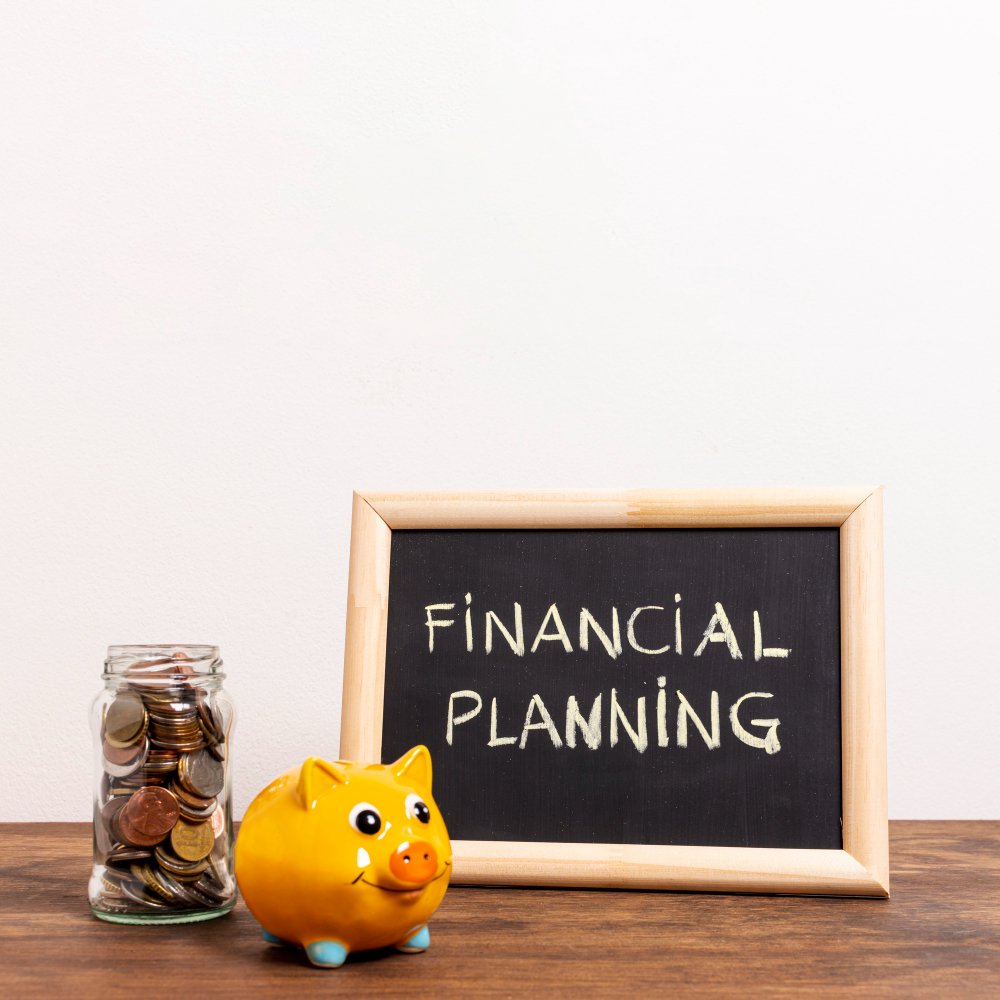
Many investors focus only on choosing the “best” mutual fund, the highest FD rate, or the most popular stock. Very few stop to think about asset allocation. यहीं से समस्या शुरू होती है।
Asset allocation decides how your money is distributed across equity, debt, cash, and other assets. Ignoring this balance can quietly hurt long-term returns and increase financial stress during market ups and downs.
What Asset Allocation Really Means
Asset allocation is not about picking products. It is about deciding how much money goes into:
- Equity (mutual funds, stocks)
- Debt (FDs, bonds, debt funds)
- Cash or liquid instruments
- Other assets like gold
सरल शब्दों में, यह जोखिम और स्थिरता के बीच संतुलन है।
The Common Mistake: All Money in One Basket
Some investors put most of their money into equity during bull markets. Others avoid equity completely and rely only on FDs. Both approaches ignore asset allocation.
When markets fall, equity-heavy portfolios create panic. When inflation rises, debt-only portfolios lose purchasing power.
Why Poor Asset Allocation Hurts More Than Bad Returns
A poorly allocated portfolio can underperform even if individual investments do well. This happens because:
- Risk is not spread properly
- Volatility becomes emotionally difficult
- Investors exit at the wrong time
नतीजा यह होता है कि अच्छा निवेश भी गलत समय पर बेच दिया जाता है।
A Simple Example

Investor A has 80% equity and 20% debt. Investor B has 100% equity. Both invest in similar funds.
During a market crash, Investor B panics and stops SIPs. Investor A continues investing calmly. Over time, Investor A often achieves better results, despite having lower equity exposure.
Asset Allocation vs Fund Selection
| Aspect | Asset Allocation | Fund Selection |
|---|---|---|
| Long-term impact | Very High | Moderate |
| Controls risk | Yes | Limited |
| Reduces emotional decisions | Yes | No |
Why Investors Ignore Asset Allocation
“Returns matter more”
Returns matter, but risk control matters more.
“It feels complicated”
असल में, यह जितना मुश्किल लगता है, उतना है नहीं।
“I will adjust later”
Later usually comes after damage is done.
How to Build a Simple Asset Allocation
- Decide equity–debt ratio based on age and risk tolerance
- Keep some money liquid for emergencies
- Review allocation once a year
- Rebalance instead of chasing returns
The Biggest Benefit: Financial Stability
Good asset allocation does not eliminate losses, but it reduces panic. It allows investors to stay invested during difficult phases. यही लंबी अवधि में सबसे बड़ा फायदा है।
Conclusion: Allocation Decides Outcome
In personal finance, asset allocation quietly plays a bigger role than most people realise. It may not look exciting, but it often decides whether long-term goals feel stressful or manageable.
Frequently Asked Questions (FAQs)
1. How often should asset allocation be reviewed?
Once a year or after major life changes.
2. Is asset allocation same for everyone?
No. Age, income stability, and risk tolerance matter.
3. Can asset allocation improve returns?
Indirectly, yes, by controlling risk and behaviour.